Why Is Recovery From a Brain Injury So Unpredictable?
Why Is Recovery From a Brain Injury So Unpredictable?
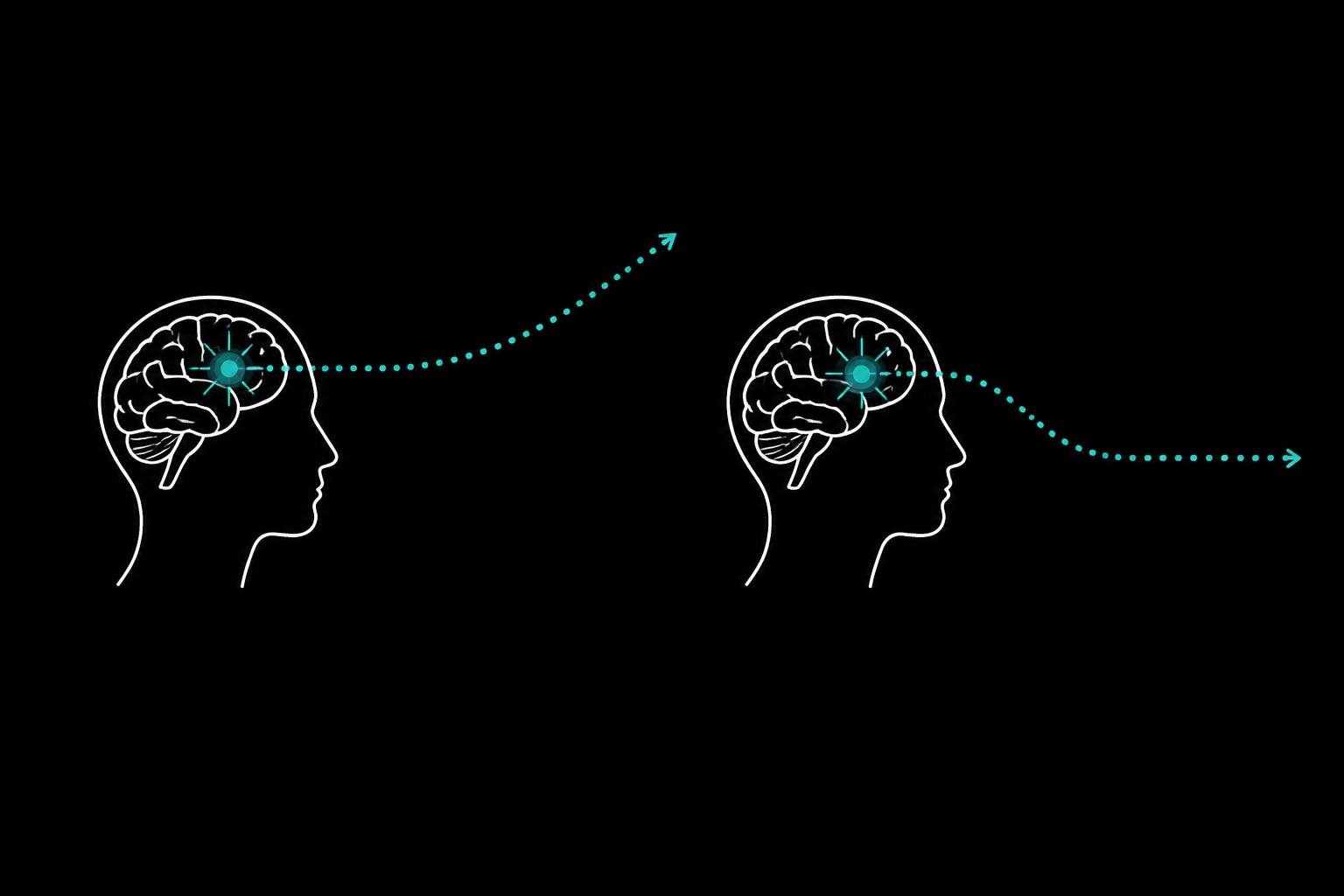
Recovery from a brain injury is unpredictable because no two brain injuries are alike, and the tools doctors use to measure them only capture part of the picture. Two people with the same diagnosis can have very different damage, very different brains going into the injury, and very different support coming out of it. Even the best prediction models used by researchers account for only about a third of the variation in outcomes, which means most of what decides how someone recovers isn't captured by the injury's severity rating at all.
That uncertainty cuts both ways. Some people labeled "mild" struggle for a year or more, and some people labeled "severe" go on to live independent lives. This post explains why recovery varies so much, what research says about the factors that shape it, and what you can do while the picture comes into focus.
Why "Mild," "Moderate," and "Severe" Don't Tell the Whole Story
For more than 50 years, brain injuries have been sorted into three buckets using the Glasgow Coma Scale (GCS), a quick bedside test of eye opening, speech, and movement in the first hours after injury. It's useful in an emergency room. It was never designed to predict how your life will look a year later.
The research shows how poorly those labels match real outcomes:
- "Mild" isn't always mild. In the TRACK-TBI study of more than 1,100 patients treated at U.S. trauma centers, 53% of people with mild TBI still reported functional limitations 12 months after their injury, and that included people whose CT scans were clear.
- "Severe" isn't always a life sentence. In a companion TRACK-TBI study of moderate to severe TBI, about half of people with severe TBI and three-quarters with moderate TBI regained the ability to function independently at home by 12 months, and nearly 1 in 5 people with severe TBI reported no disability at all. The researchers concluded that clinicians should avoid making early, definitive predictions of poor outcomes.
These gaps are a big reason why, in 2025, a National Institutes of Health initiative proposed a new way to classify brain injuries called CBI-M. Instead of relying on a single score, it looks at four things: Clinical findings, Blood-based Biomarkers, Imaging, and Modifiers such as prior injuries, other health conditions, and living circumstances. The framework is still being tested, but its existence tells you something important: the experts agree the old labels weren't enough.
The Damage Standard Scans Often Miss
A CT scan is excellent at finding bleeding that needs surgery. It's poor at finding the kind of damage that causes many long-term symptoms.
Brain injuries frequently stretch and tear the long connecting fibers that carry signals between brain regions. This diffuse injury slows processing speed, disrupts attention, and interferes with how different parts of the brain coordinate. It's often invisible on a standard scan. The 2022 Lancet Neurology Commission on TBI reported that structural brain damage shows up on MRI in up to 30% of people with mild TBI whose CT scans were normal.
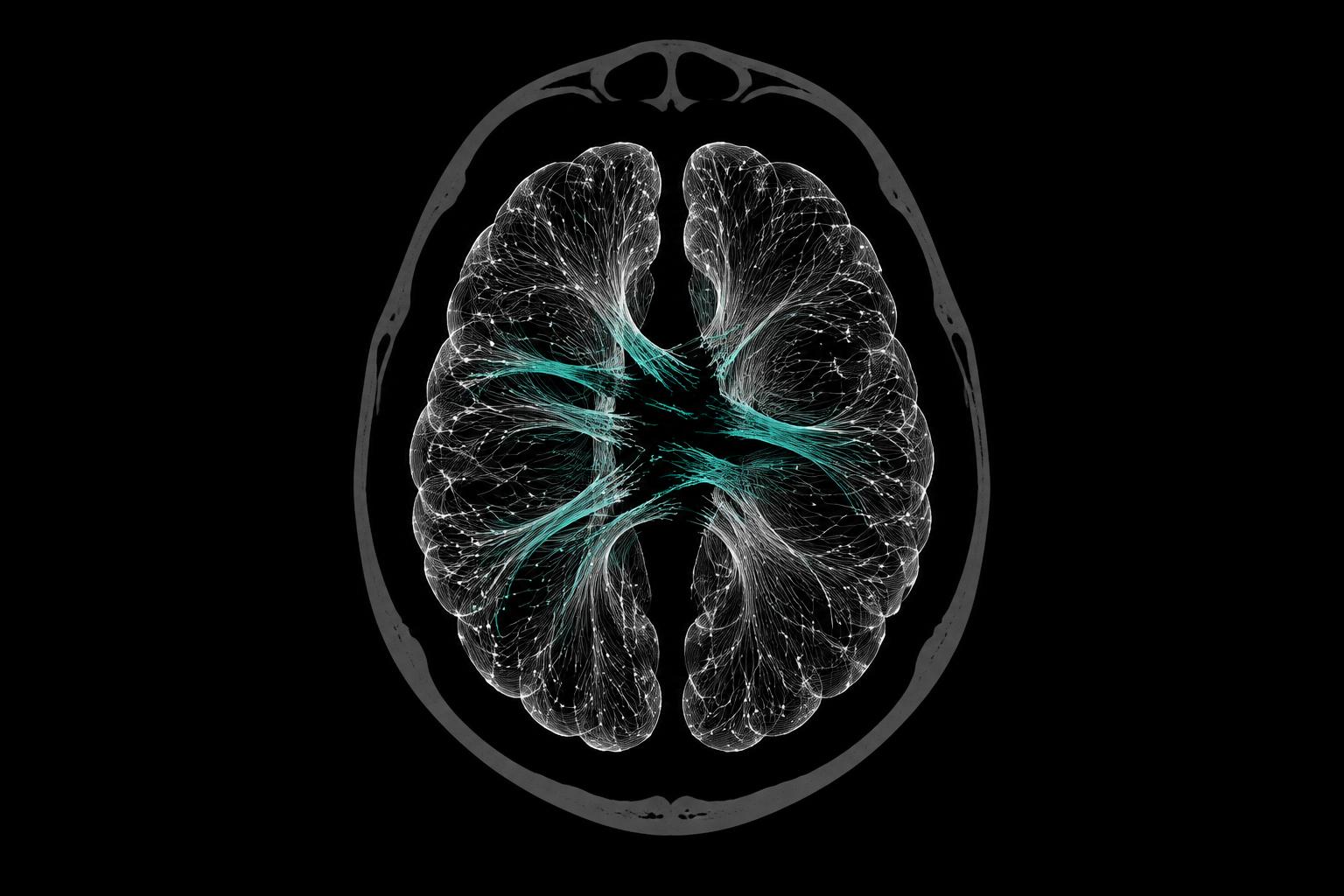
On top of the initial impact, the brain goes through a second wave of injury in the days and weeks that follow: inflammation, changes in blood flow, and disruptions in how brain cells produce energy. How strongly that secondary process plays out differs from person to person, and it's one more reason two similar-looking injuries can follow very different paths.
This is also why we've advocated for more advanced assessments like SPECT imaging, qEEG, and full neuropsychological testing for survivors whose symptoms don't match their "normal" scans.
Who You Were Before the Injury Shapes How You Heal
A brain injury doesn't land on a blank slate. It lands on a specific person with a specific history, and that history matters a great deal.
Mental health history. In a TRACK-TBI analysis of people with mild TBI, a history of psychiatric conditions before the injury more than doubled the odds of functional impairment at 3 and 6 months. A prior history of headaches or migraines was also linked to worse outcomes.
Education and "cognitive reserve." A Johns Hopkins study of 769 people with moderate to severe TBI found that those with a college-level education were more than seven times as likely to be disability-free one year later as those who hadn't finished high school. Researchers think this reflects cognitive reserve, the brain's capacity to reroute around damage, which is built through learning, mental challenge, and an active life.
Genetics. Your genes influence how your brain responds to injury. A large meta-analysis found that people who don't carry the APOE ε4 gene variant had higher odds of a favorable outcome than carriers. The Lancet Neurology Commission noted that roughly 26% of the variation in TBI outcomes may be heritable.
Age and sex. Older adults generally face a harder recovery, and the same Commission reported that outcomes after TBI tend to be poorer in women than in men, for reasons researchers don't yet fully understand.
Prior brain injuries. Each concussion or head injury can lower the brain's ability to absorb the next one. For surfers, athletes, and anyone with a history of repeated hits, this is a factor worth raising with every provider you see.
None of these factors decides your outcome on its own. They shift the odds. But they help explain why a friend with a "worse" injury might recover faster than you, and why comparing your recovery to someone else's rarely tells you much.
Recovery Doesn't Move in a Straight Line
Many survivors are told that most recovery happens in the first six months to a year and that whatever is left after that is permanent. The long-term research tells a more complicated, and in many ways more hopeful, story.
- Change continues for years. A CDC-supported analysis of people who received inpatient rehabilitation for TBI found that between one and five years after injury, 26% improved in overall function while 35% declined or died. Cognitive function specifically improved in 24% and declined in 24% over that same window.
- Even a decade out, things move. A TBI Model Systems study following people from 5 to 10 years after moderate to severe injury found that 69% reported improvement in at least one area of function, while 41% reported decline in at least one area. Depression and anxiety at year five were among the factors linked to which direction people went.
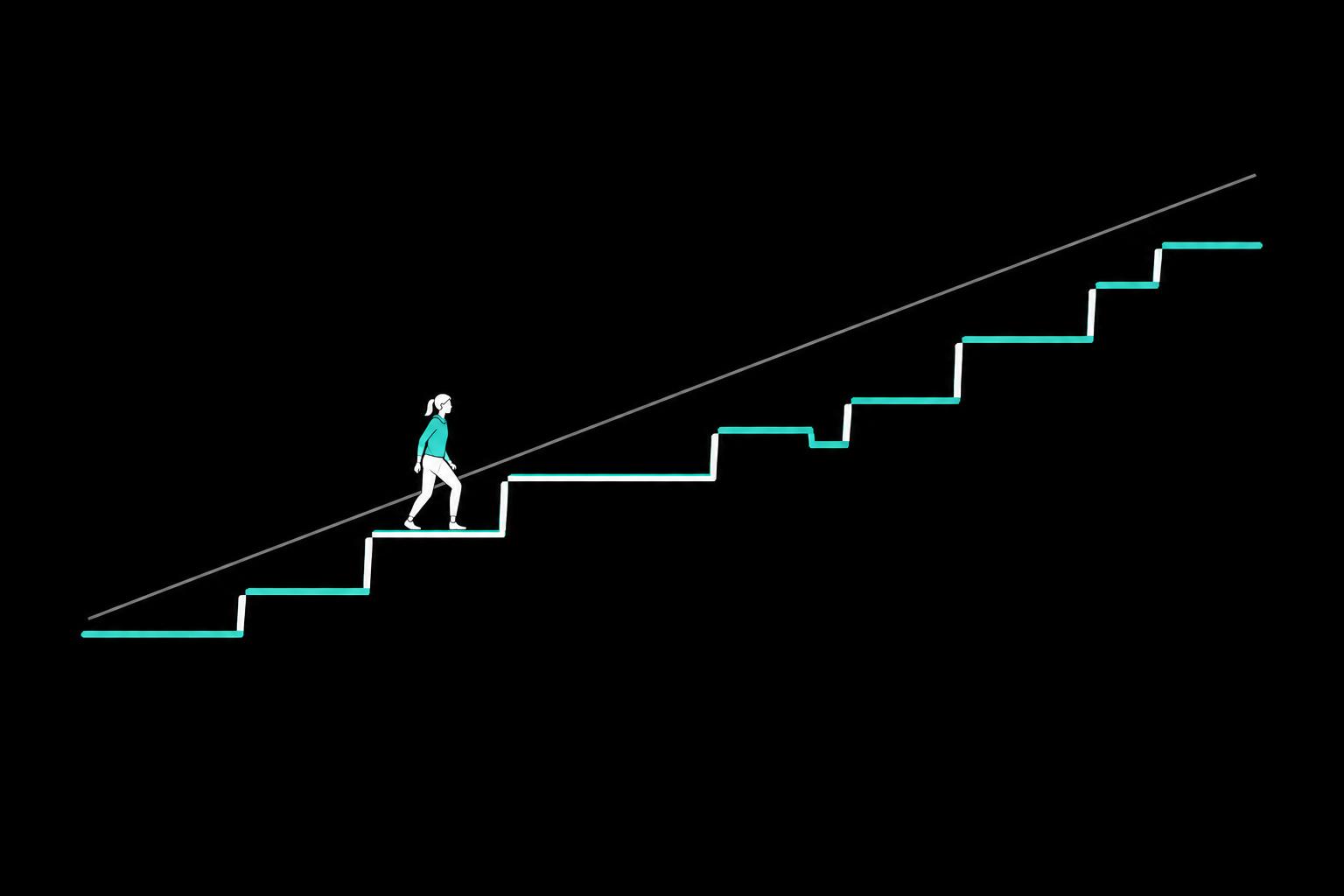
In daily life, recovery often looks like a staircase with landings rather than a ramp. People commonly report stretches of steady progress, long plateaus, and sudden setbacks after poor sleep, illness, stress, or overexertion. A bad week doesn't erase your progress, and a plateau doesn't mean you've hit your ceiling.
Why Doctors Can't Give You a Clear Prognosis
If you've asked a doctor "When will I be back to normal?" and gotten a vague answer, it's usually not evasion. It's honesty about the limits of the science.
The two most widely studied TBI prediction tools, the CRASH and IMPACT models, were built to predict outcomes at six months for research purposes. When researchers tested them at 12 and 24 months, they concluded the models should not be used in routine clinical practice because of poor fit that worsens over time and a large amount of unexplained variation in outcomes.
In other words, the best available tools can tell researchers which groups of patients tend to do better or worse. They can't tell you what will happen to you. Blood biomarkers, advanced imaging, and frameworks like CBI-M should sharpen these predictions over time, but for now, any specific timeline you're given is an educated estimate, not a promise.
What You Can Influence While You Wait
You can't control the injury or your genes. You can influence a surprising number of the factors that shape recovery.
Treat your mental health as part of your brain recovery. Since depression and anxiety are tied to how people fare years later, getting support for mood, trauma, and stress is part of the medical plan, not a side issue.
Protect your sleep. Sleep is when the brain clears waste and consolidates learning. Poor sleep is also one of the most common triggers for symptom flare-ups.
Get the right evaluation if your symptoms don't match your scans. A neuropsychological evaluation, a brain injury specialist, or advanced imaging can identify problems a routine workup misses and point to targeted treatment.
Stay in rehabilitation longer than you think you need to. Cognitive, speech, vestibular, and occupational therapy can keep producing gains well past the first year, especially when they're matched to the specific problems you're having.
Pace yourself. Overdoing it on good days is one of the most common causes of setbacks. Build activity gradually and expect fatigue to be part of the process.
Track your own progress. Because recovery is uneven, a simple weekly log of symptoms, sleep, and wins helps you and your care team see real trends instead of reacting to a single bad day.
Ask about therapies that target brain function directly. Treatments like hyperbaric oxygen therapy (HBOT) and neurofeedback aim to support the brain's underlying healing and regulation. Evidence is still developing, but they're reasonable to discuss with a knowledgeable provider. We've written about both in depth elsewhere on this site. Insurance often won't cover them, and Strength In Pain Foundation provides financial assistance to help survivors access specialized treatment. Reach out to us here if cost is standing between you and care.
Frequently Asked Questions
Why do two people with the same brain injury recover so differently?
Because the injury label only describes the first few hours. The actual pattern of damage, the second wave of inflammation that follows, a person's age, genetics, mental health history, prior injuries, education, and the support they get afterward all shape recovery. Known factors explain only about a third of the variation in outcomes.
Can you still recover years after a brain injury?
Yes. Long-term studies show that function continues to change for years, with many people improving in at least one area between 5 and 10 years after injury. Recovery tends to slow over time, but it doesn't follow a hard deadline.
Is a mild TBI always a quick recovery?
No. In the TRACK-TBI study, 53% of people with mild TBI still reported some functional limitation a year later. "Mild" describes the initial level of consciousness, not how serious the long-term effects will be.
Why can't my doctor tell me how long recovery will take?
The prediction tools available today were designed to estimate outcomes for groups of patients, not individuals, and they become less accurate beyond six months. An honest "we don't know yet" is often the most accurate answer a doctor can give.
Why do I have good days and bad days during recovery?
A healing brain has less reserve to handle stress, poor sleep, illness, and overexertion, so symptoms rise and fall with those demands. Fluctuations are a normal part of recovery and don't mean you're getting worse overall.
Where can I get help paying for brain injury treatment?
Strength In Pain Foundation offers financial assistance for specialized treatments that insurance often won't cover, such as hyperbaric oxygen therapy and neurofeedback. Contact us to learn more about eligibility.
Sources
1. Nelson LD, Temkin NR, Dikmen S, et al. Recovery After Mild Traumatic Brain Injury in Patients Presenting to US Level I Trauma Centers: A TRACK-TBI Study. JAMA Neurology. 2019;76(9):1049–1059. https://pmc.ncbi.nlm.nih.gov/articles/PMC6547159/
2. McCrea MA, Giacino JT, Barber J, et al. Functional Outcomes Over the First Year After Moderate to Severe Traumatic Brain Injury in the Prospective, Longitudinal TRACK-TBI Study. JAMA Neurology. 2021;78(8):982–992. https://pmc.ncbi.nlm.nih.gov/articles/PMC8261688/
3. Manley GT, Dams-O'Connor K, Alosco ML, et al. A new characterisation of acute traumatic brain injury: the NIH-NINDS TBI Classification and Nomenclature Initiative. The Lancet Neurology. 2025;24(6):512–523. https://doi.org/10.1016/S1474-4422(25)00154-1
4. Maas AIR, Menon DK, Manley GT, et al. Traumatic brain injury: progress and challenges in prevention, clinical care, and research. The Lancet Neurology. 2022;21(11):1004–1060. https://pmc.ncbi.nlm.nih.gov/articles/PMC10427240/
5. Yue JK, Cnossen MC, Winkler EA, et al. Pre-injury Comorbidities Are Associated With Functional Impairment and Post-concussive Symptoms at 3- and 6-Months After Mild Traumatic Brain Injury: A TRACK-TBI Study. Frontiers in Neurology. 2019;10:343. https://www.frontiersin.org/journals/neurology/articles/10.3389/fneur.2019.00343/full
6. Schneider EB, Sur S, Raymont V, et al. Functional recovery after moderate/severe traumatic brain injury: a role for cognitive reserve? Neurology. 2014;82(18):1636–1642. https://doi.org/10.1212/WNL.0000000000000379
7. McFadyen CA, Zeiler FA, Newcombe V, et al. Apolipoprotein E4 Polymorphism and Outcomes from Traumatic Brain Injury: A Living Systematic Review and Meta-Analysis. Journal of Neurotrauma. 2021;38(8):1124–1136. https://pmc.ncbi.nlm.nih.gov/articles/PMC8054520/
8. Whiteneck GG, Eagye CB, Cuthbert JP, et al. One and Five Year Outcomes After Moderate-to-Severe Traumatic Brain Injury Requiring Inpatient Rehabilitation. Traumatic Brain Injury Report. Centers for Disease Control and Prevention. https://stacks.cdc.gov/view/cdc/59524
9. Hammond FM, Malec JF, Corrigan JD, et al. Patterns of Functional Change Five to Ten Years after Moderate-Severe Traumatic Brain Injury. Journal of Neurotrauma. 2021. Summary via Model Systems Knowledge Translation Center: https://msktc.org/tbi/publications/patterns-functional-change-five-ten-years-after-moderate-severe-traumatic-brain
10. Eagle SR, Nwachuku E, Elmer J, et al. Performance of CRASH and IMPACT Prognostic Models for Traumatic Brain Injury at 12 and 24 Months Post-Injury. Neurotrauma Reports. 2023;4(1):118–123. https://pmc.ncbi.nlm.nih.gov/articles/PMC9989509/
This article is for educational purposes only and is not a substitute for professional medical advice, diagnosis, or treatment. Always seek the guidance of a qualified healthcare provider with any questions about a brain injury or your recovery. If you experience sudden or worsening confusion, severe headache, repeated vomiting, seizures, slurred speech, or weakness after a head injury, call 911 or go to the nearest emergency room.